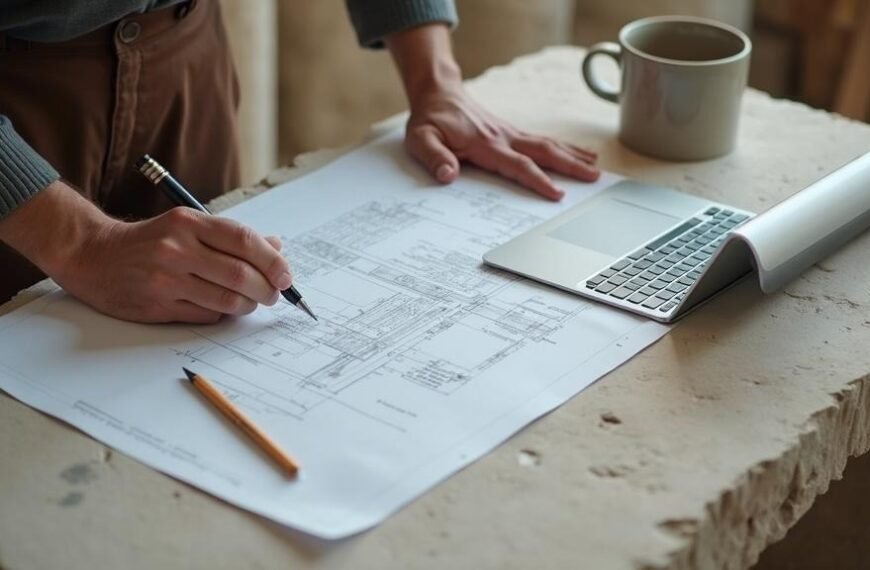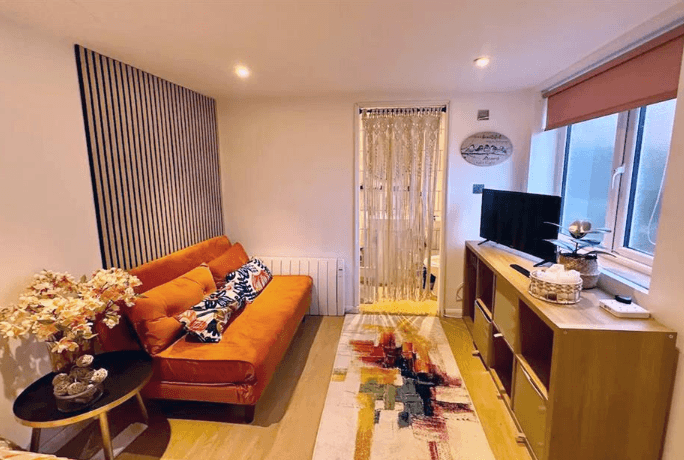
A garage can become a true living space with careful zoning for lounging, work, and storage, plus ample natural light and warm textures. Prioritize insulation, weatherstripping, and layered flooring to reduce drafts and add comfort. Layouts should separate quiet zones from activity areas while maximizing vertical storage and foldable furniture. Budget-smart upgrades and adaptable storage keep options open as needs change, inviting careful planning that stays practical and efficient—and leaves the next step begging to be considered.
What Makes a Garage a Cozy Living Space
A garage can become a cozy living space when the layout prioritizes comfort, function, and flow.
The concept hinges on defined zones, ample natural light, and adaptable furniture that preserves open movement.
Cozy lighting and warm textures create depth without clutter.
Neutral palettes pair with tactile materials to foster a calm, liberating atmosphere suited for personal retreat and everyday ease.
Insulation, Flooring, and Comfort Upgrades
To improve comfort and energy efficiency, attention turns to insulation, flooring, and related upgrades that support a hospitable living environment.
The focus centers on preventing drafts, selecting high‑R insulation, and layering floors for warmth.
Insulation efficiency informs material choices, while flooring warmth enhances daily living.
Practical choices balance cost, durability, and ease, delivering a steady, flexible, welcoming space.
Layouts That Maximize Small Spaces
Efficient layouts for small garages prioritize clear zones, multi‑use furniture, and vertical storage to free floor space without sacrificing comfort. Creative zoning guides flow, placing work nooks beside compact lounging areas.
Multi use furniture folds or nests, enhancing flexibility. Energy efficiency informs appliance placement and lighting, while acoustic treatment quiets activity zones, preserving calm. Compact, purposeful configurations empower freedom without clutter.
Budget-Smart Renovations and Smart Details
Budget-smart renovations hinge on prioritizing value over novelty, leveraging inexpensive upgrades that yield durable, noticeable improvements. Budget smart choices focus on insulation upgrades to reduce energy loss and improve comfort, while keeping costs modest. Smart details include weatherstripping, efficient lighting, and adaptable storage. The result is a cozy living space that feels substantial, practical, and liberating, without unnecessary excess.
Frequently Asked Questions
How Long Does a Garage Conversion Typically Take From Start to Finish?
The project typically takes several weeks to a few months, depending on scope, permits, and inspections. In garage construction terms, planning, framing, and utilities dominate. Tax implications hinge on local rules and whether the space remains taxable or becomes habitable.
What Permits Are Required for Converting a Garage Into Living Space?
Permits overview: A professional notes that local building departments determine required permits, inspections, and approvals. Zoning requirements vary, addressing setbacks, habitable space, and thresholds. The process ensures code compliance, safety, and legality for converting a garage into living space.
Is a Garage Conversion Considered a Build or a Remodel for Taxes?
A garage conversion is generally a remodel for taxes, not a new build; renovation classification hinges on structural changes and permanence. It mirrors a sunlit interior awakening, guiding owners through garage taxes and renovation classification with practical clarity.
Should I Include a Bedroom or Just a Lounge in the Space?
The answer weighs bedroom vs lounge by intent: a bedroom offers privacy and resale value, while a lounge prioritizes social space; room layout preferences should align with daily use, light, and circulation, favoring flexible, multi-functional design.
See also: Layer 1 Vs Layer 2 Blockchain Explained
What Are Common Energy-Efficiency Upgrades Beyond Insulation?
A practical 35% energy reduction is achievable with targeted measures. Energy efficient upgrades beyond insulation include sealing, efficient HVAC, intelligent thermostats, and solar-ready systems. Window upgrades improve daylight and comfort, while lighting, appliances, and heat-recovery venting support efficiency.
Conclusion
A well-planned garage becomes a welcoming extension of home, where zones for lounging, work, and storage breathe without crowding. High-R insulation, tight weatherstripping, layered flooring, and abundant natural light set a warm, durable backdrop. Flexible furniture and vertical storage keep movement open, while soft lighting and neutral textures add depth. Smart layouts separate quiet from activity, and adaptable storage grows with needs and budget. Is every square foot transforming into comfort and function worth the investment? No—it’s an invitation to daily ease.